




Custom Clothing & Textiles
Custom logo clothing and branded textiles
Custom logo clothing gives teams a consistent appearance and keeps a brand visible at work, exhibitions, events and during leisure. The range covers garments, headwear, towels and blankets, so the right choice starts with intended use, season, fabric, fit and decoration method.
Choose the product around its real use
Compare T-shirts, polo shirts and sweatshirts for teams and events; use softshells, jackets or work clothes where the conditions require them. Browse the complete product range and check size charts, fabric weight, composition and branding area at product level.
Match embroidery or print to fabric and artwork
Embroidery can give structured garments a durable, dimensional finish, while screen, DTF or transfer printing may be better for larger or more detailed artwork. Review branding services, practical guidance in the blog and completed examples in the portfolio. A useful brief includes quantities, size split, artwork, delivery country and deadline.
Use environmental and certification claims precisely
The European Commission textiles strategy covers the full textile lifecycle. OEKO-TEX STANDARD 100 concerns textiles tested for harmful substances, while the official GOTS key features explain organic-fibre and supply-chain certification. Confirm that any claim applies to the exact product selected.
FAQ – custom logo clothing and branded textiles
What products are included in custom clothing and branded textiles?
The range includes T-shirts, polo shirts, sweatshirts, fleece, vests, softshells, jackets, sportswear, workwear, shirts, headwear, aprons, towels, blankets and other textiles. Fabric, fit, sizes and branding area vary by product.
How should we choose clothing for staff, an event or a gift?
For daily work, prioritise fit, movement and care; for events, consistent colours and visible branding; for gifts, comfort and relevance to the recipient. Check job-specific requirements separately because promotional clothing is not automatically certified protective wear.
Should we use embroidery, screen printing, DTF or transfer printing?
Embroidery often suits structured garments and a compact logo, screen printing can suit larger quantities and limited-colour artwork, while DTF or transfer can suit detailed multicolour designs. The fabric, artwork, print area, quantity and care requirements determine the method.
Which logo file is needed for textile branding?
A vector AI, EPS, PDF or SVG file with confirmed colours usually gives the best starting point. Raster artwork must have sufficient resolution and a suitable background; embroidery also requires a product-specific stitch file.
How do we choose the right sizes, fits and colours?
Use the size chart for the exact garment because sizing varies between brands. Combine men's, women's and unisex fits when appropriate, and confirm colours from a sample or product reference while allowing for possible batch variation.
Can garments carry employee names or different logos?
Individual names, departments or artwork variants are possible on many items, but the method, position and surcharge are product- and quantity-specific. The personalisation list must be checked and approved before production.
What are the minimum order quantity and price?
MOQ and price depend on the garment, colour, size split, stock, branding technique, artwork size, number of positions and packaging. For an accurate quote, provide the use case, quantity, sizes, artwork, budget, destination and deadline.
How long do branded garments take to produce and deliver?
Lead time depends on stock, size availability, branding method, quantity, proof approval and destination. For a fixed event, allow separate time for sourcing, proofing, production, quality control and transport.
Can we approve a sample or digital proof before production?
A digital artwork proof showing position and approximate size is approved before production. Physical garment or decorated sample availability, cost and lead time are product-specific, and a stock sample may not include the final branding.
How should branded clothing be washed and cared for?
Follow both the garment care label and the branding care guidance supplied with the order. Temperature, tumble drying, ironing and dry cleaning limits vary by fabric and by printing or embroidery technique.
How can organic, recycled or textile-safety claims be verified?
Check the material specification and certificate for the selected product, and request supplier evidence when needed. GOTS, OEKO-TEX, organic or recycled-content claims should only be used when documented for that product and supply chain.
Custom Clothing & Textiles
Filters and sorting
Filters
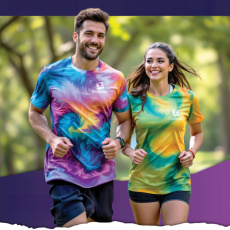
15.52 €/pc + VAT
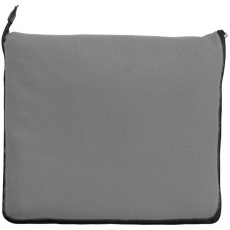
16.18 €/pc + VAT
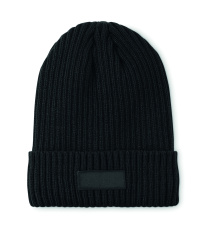
5.58 €/pc + VAT
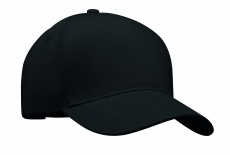
2.84 €/pc + VAT
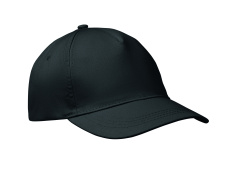
1.88 €/pc + VAT
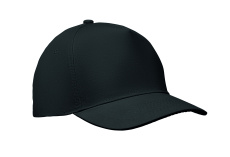
2.66 €/pc + VAT
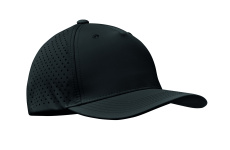
4.86 €/pc + VAT
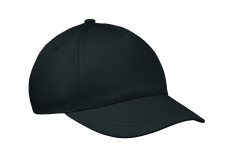
1.76 €/pc + VAT
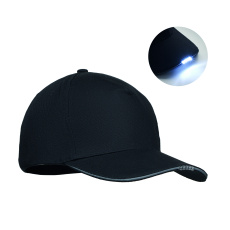
8.88 €/pc + VAT
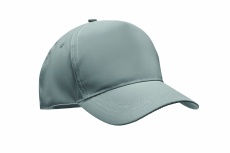
4.96 €/pc + VAT
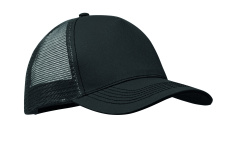
2.44 €/pc + VAT
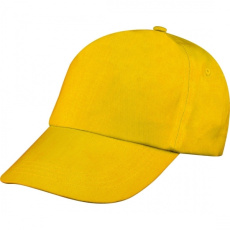
2.68 €/pc + VAT
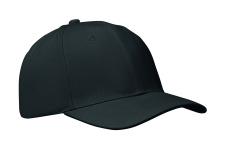
2.92 €/pc + VAT
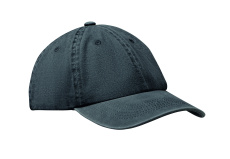
4.86 €/pc + VAT
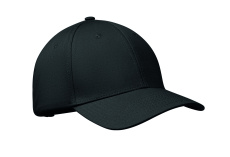
5.42 €/pc + VAT
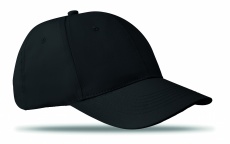
1.82 €/pc + VAT
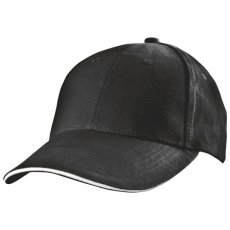
4.48 €
2.38 €/pc + VAT
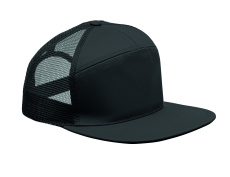
3.10 €/pc + VAT
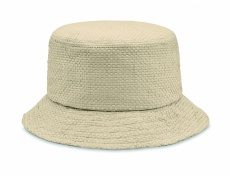
1.90 €/pc + VAT
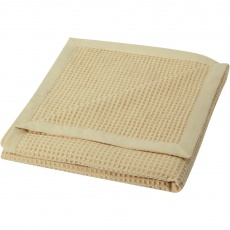
40.68 €
33.98 €/pc + VAT
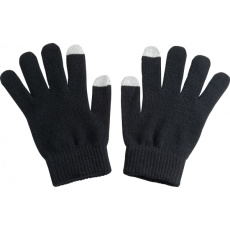
2.98 €/pc + VAT
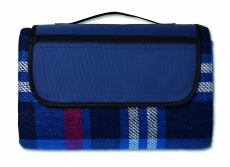
15.46 €/pc + VAT
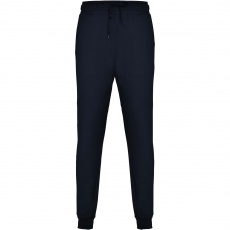
16.28 €/pc + VAT
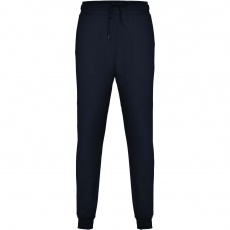
18.80 €/pc + VAT